Translate to: English | Español | Français

Welcome to Vermont eBird

Birding News and Features

Vermont Ospreys Set Record

December 11, 2008
Vermont Ospreys Set Record

Vermont’s osprey population continues to thrive. In 2007 there were a total of 92 known nest attempts. In 2008, there were 119 nests detected out of 145 sites checked for activity. Seventy-eight nests were successful in 2007, and 94 in 2008. This year we had a 79% nest success rate. Last year approximately 164 chicks fledged. This year we estimate that there were close to 200. Therefore, the 2008 breeding season was quite a success, in spite of extremely rainy and stormy conditions in June.  In 1988 there were only three active nests in all of Vermont. It is rewarding to think how far this species has come in 20 years.

Snowy owl -- a marine species?

December 10, 2008
Snowy owl -- a marine species?

Wildlife satellite studies could lead to a radical re-thinking about how the snowy owl fits into the Northern ecosystem.

"Six of the adult females that we followed in a satellite study spent most of last winter far out on the Arctic sea ice," said Université Laval doctoral student Jean-Francois Therrien, who is working with Professor Gilles Gauthier as part of an International Polar Year (IPY) research project to better understand key indicator species of Canadian northern ecosystems.

Vermont eBird & Flickr -- Share Your Bird Photos

November 25, 2008
Vermont eBird & Flickr -- Share Your Bird Photos

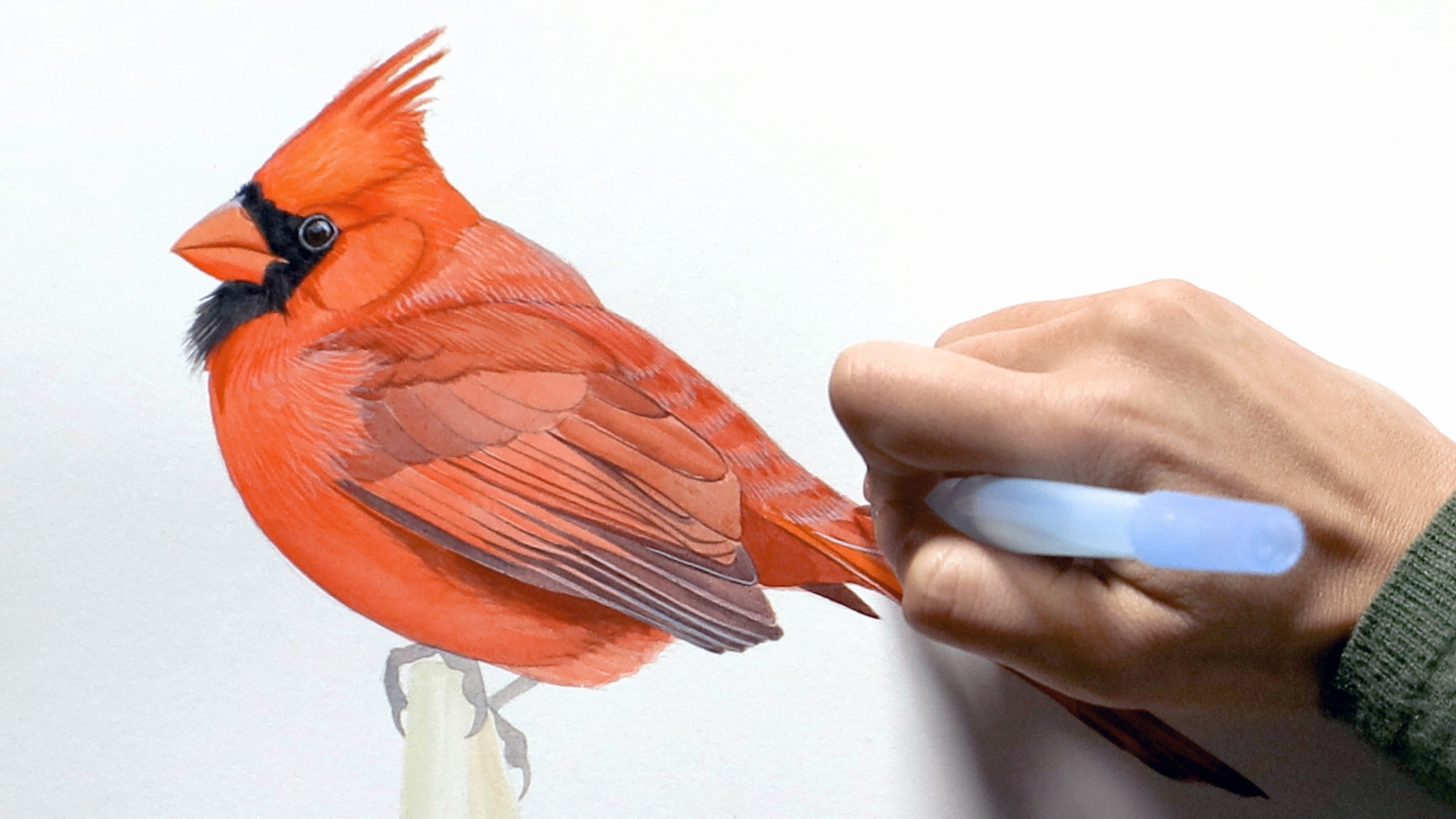
You will notice that the Vermont eBird home page now includes several "thumbnail" images of birds that have been submitted to Vermont eBird. A few months ago we created a group within the popular photo-sharing site, Flickr. We received many requests from users who wanted be able to upload images of birds that they have photographed. This is particularly true for rarities (birds seen outside their normal range, or at an odd time of year). Our intent with this group is to provide a venue for people to photographically document species seen outside their normal range, outside their normal seasonal occurrence, or unexpectedly large counts of birds. The most recent images now appear on the Vermont eBird home page.

New Feature--eBird Checklist Sharing!

November 11, 2008
New Feature--eBird Checklist Sharing!

Do you have a group of birding friends that are all devoted eBird users? Has it been frustrating that each of you has to enter your joint birdwalks into eBird separately? We are very excited to release eBird Checklist Sharing, which now allows you to copy checklists to another user’s account with the click of a mouse. From now on, when you go birding with friends you can designate who will be keeping the list and that person can enter the eBird list for the group. That checklist can be shared with the group using just an email address or eBird username. And once a checklist has been shared, you can add or delete species observed so that the list represents just what YOU saw. Read on for more information.

New Location Management Tools Launched!

July 16, 2008
New Location Management Tools Launched!

When eBird started in 2002 we didn't have the technology to allow you to select a location from a map for data entry (we do now--hooray!).  Because of that it was harder to be aware of existing eBird hotspots, and many users created their own versions of these places.  We've been asked for a long time to rectify this by creating tools that will allow you to merge your personal locations, and all associated data, with existing eBird hotspots.  We've recently upgraded the "Manage My Locations" option found under "My eBird" to allow for this, along with a suite of other useful data management tools.  Now you can easily combine your data from a duplicate personal location with eBird hotspots so that it can be shared by all.

Make Your Checklists More Meaningful!

June 12, 2008
 Make Your Checklists More Meaningful!

As the eBird database grows by leaps and bounds, it is becoming ever more valuable.  Your observations are making a huge difference in our understanding of birds at many levels. Our scientists are now analyzing your data to find new patterns in bird distribution, abundance and population trends.  Only observations with effort can be used in these analyses, so we would like to promote several bird survey techniques that we consider most valuable in this regard.  Make the most of your birding by conducting traveling counts, stationary counts and area counts in a more meaningful way.  In this feature we'll give examples of how to make your observations count for bird conservation!

Download Vermont eBird Data at the Avian Knowledge Network

May 22, 2008
Download Vermont eBird Data at the Avian Knowledge Network

The Avian Knowledge Network (AKN) is an international organization of government and non-government institutions focused on understanding the patterns and dynamics of bird populations across the Western Hemisphere. Since AKN was launched in 2004 it has grown by leaps and bounds. With nearly 40 million bird observations in its database from 41 partner organizations spanning the Western Hemisphere, its scope and importance has increased exponentially in recent years.

Document Actions

See All News and Features